What would a space for reimagining human–nature relationships look like?
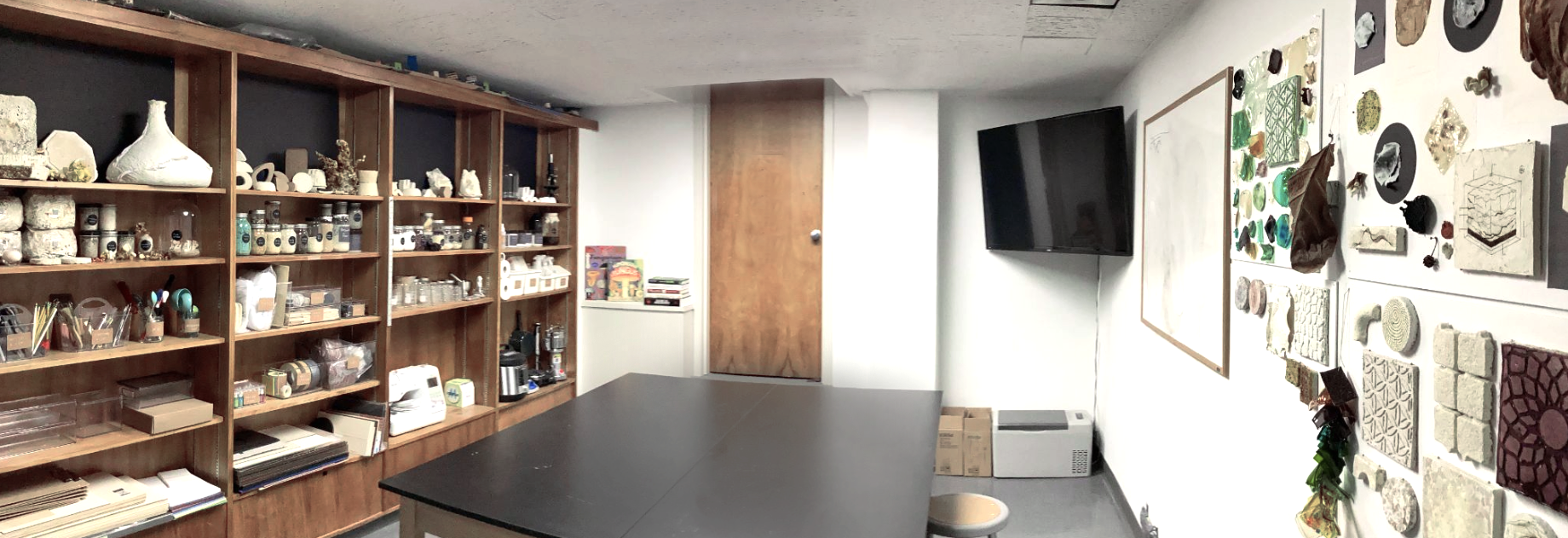
I founded the Creative Ecologies Lab (CELab) in 2021. At the beginning it was only me—and I mean truly only me—not just in the lab, but on the entire university campus. It was the middle of the pandemic in New York, and Columbia was virtually closed.
With a “research pass” in hand, I secured an empty space in the basement of Teachers College that was scheduled to be demolished. Alone in that quiet building, I began to wonder:
What would a space for reimagining human–nature relationships look like?
The lab, that soon hosted dozens of graduate students, is grounded in the idea that many dominant approaches to design for sustainability fail to address the deeper roots of the current environmental collapse. At its core, this crisis is not only ecological but also a crisis of worldview—one in which humans understand themselves as fundamentally separate from nature and entitled to treat the living world as a resource for extraction and consumption.
Although many sustainability initiatives are grounded in scientific evidence, they often rely on reductive narratives and solutionist mindsets that position humans as heroic problem-solvers tasked with “saving the planet.” These narratives can create a sense of urgency and threat that places enormous pressure on our nervous systems while simplifying the complexity of ecological relationships.
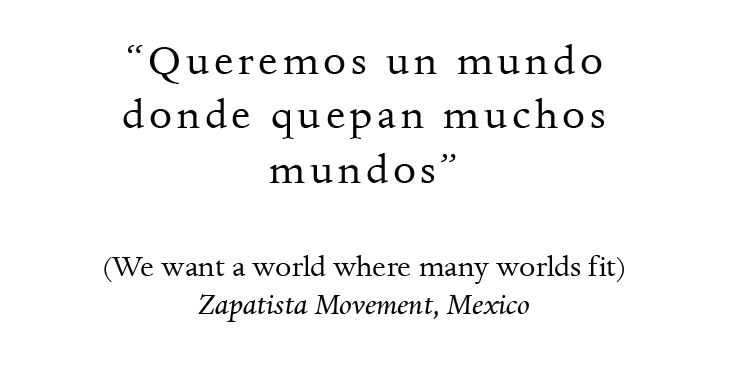
The Creative Ecologies Lab approaches this challenge from a more humble perspective. It begins with the understanding that humans are deeply intertwined with the living world. From this perspective, our capacity to respond to ecological challenges emerges not from control or mastery, but from attentive relationships with territories, bodies, and the diverse human and non-human beings that inhabit them.
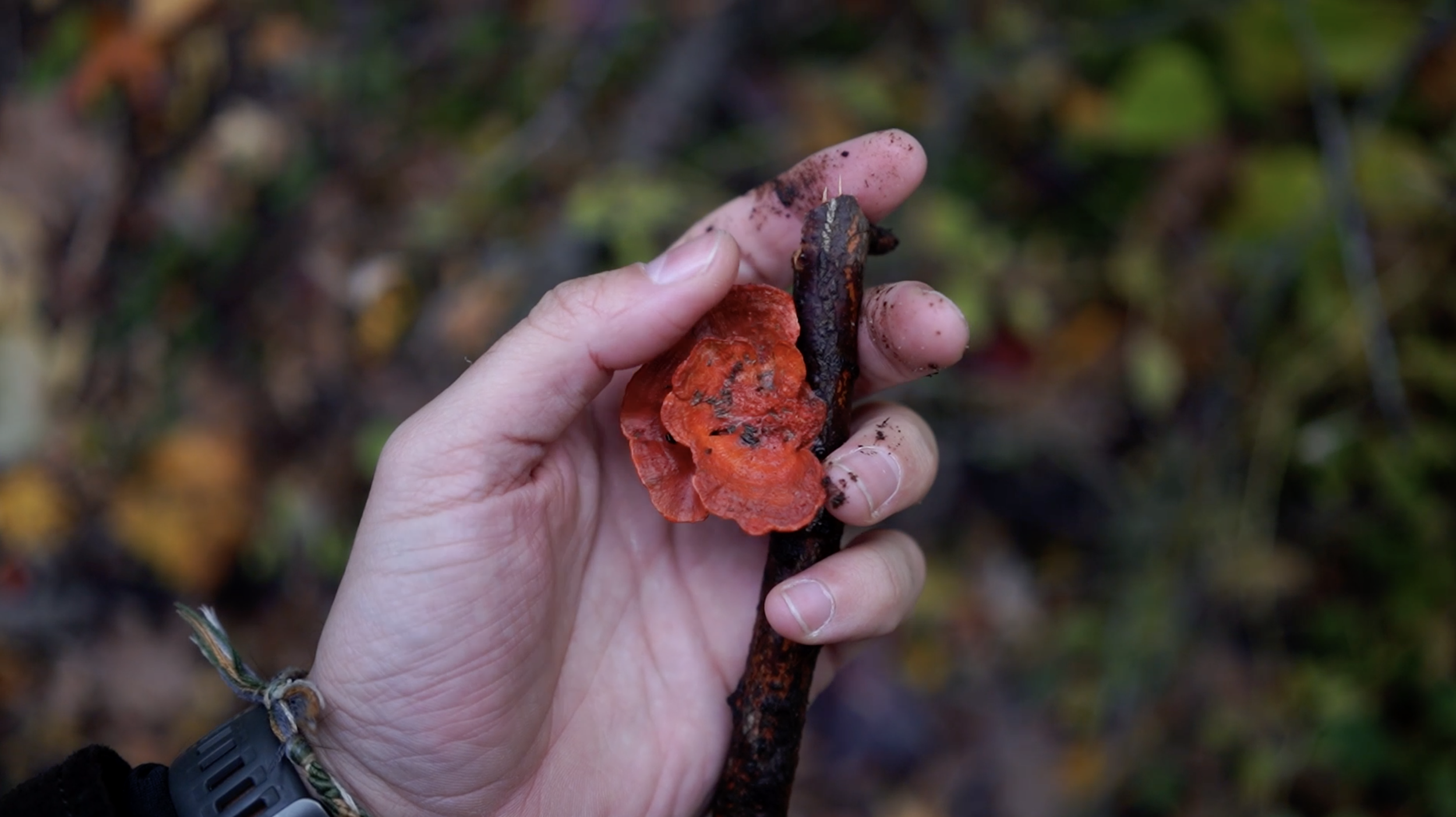
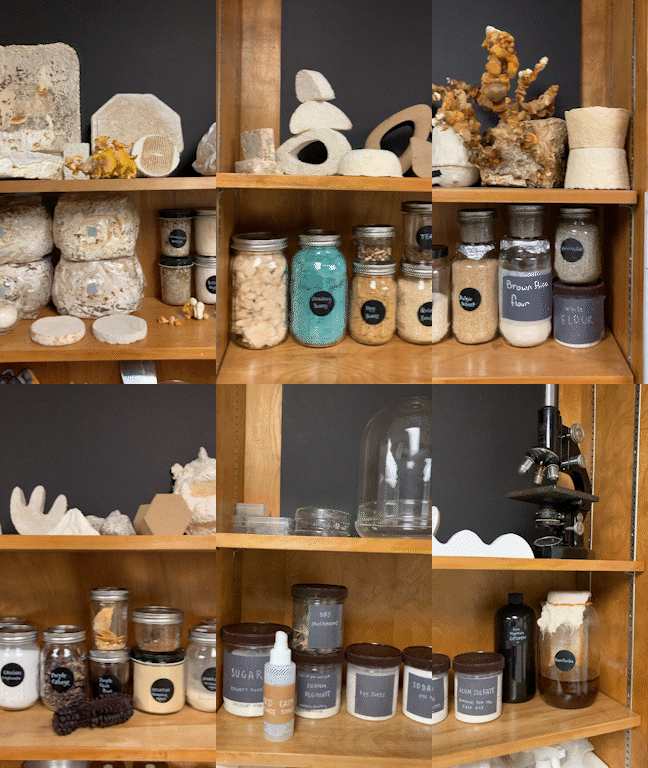
The lab is conceived as an open, living system that is fundamentally shaped by the landscape that hosts it. Materials flow in and out of the space like in a living organism, creating opportunities to rethink the possibilities of local biological materials and waste streams. At the same time, the lab is deeply entangled with the surrounding community, inviting participants to reimagine new ways of relating to each other, to urban environments, and to the living world as an interconnected and interdependent assemblage.
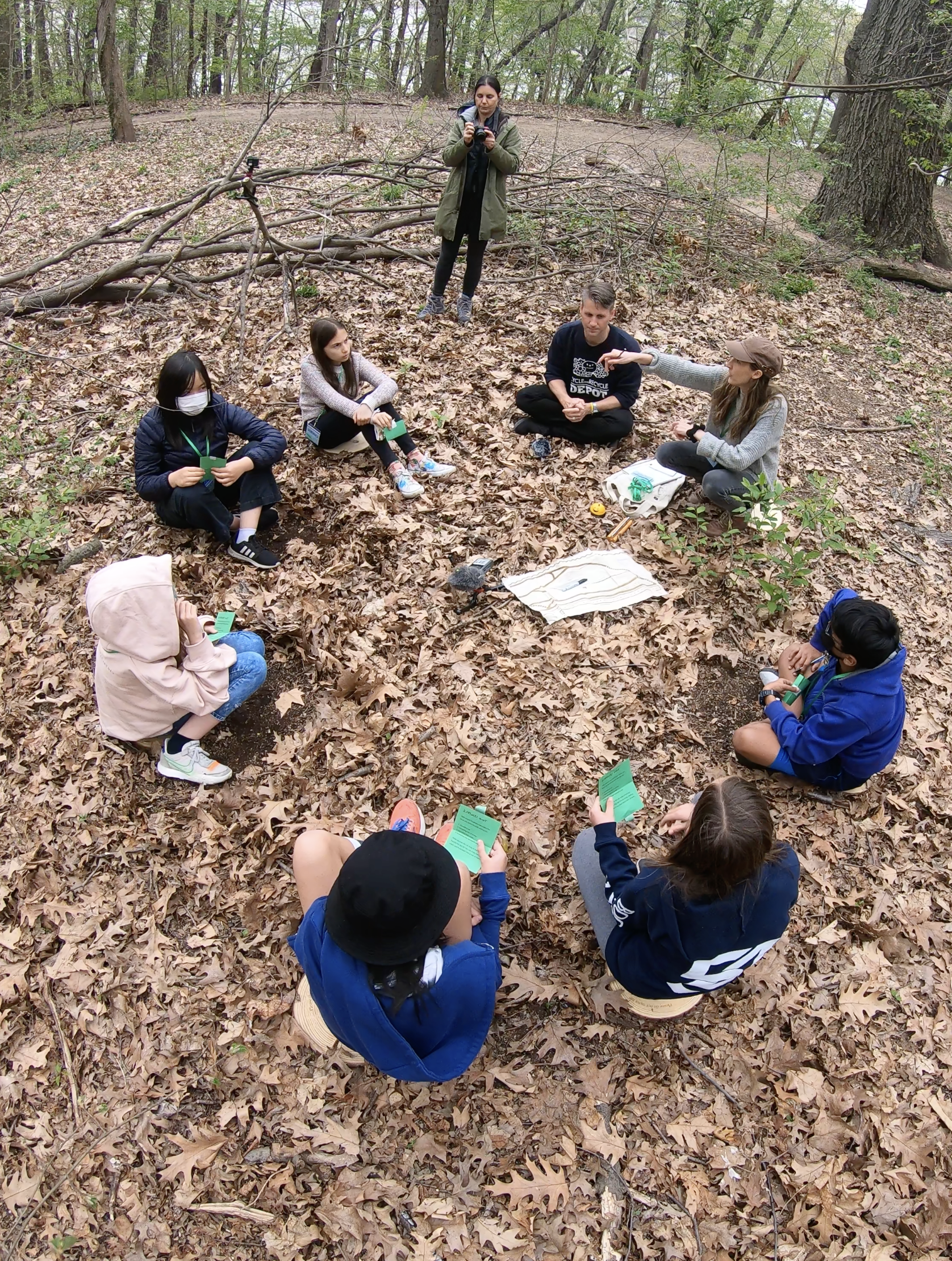
The first prototype of the Creative Ecologies Lab was developed at Teachers College, Columbia University. Rooted in Manhattan as a dense socio-ecological landscape, the lab collected materials characteristic of the area, including household organic waste, biomass from local parks, and locally sourced fungal strains used for biofabrication.
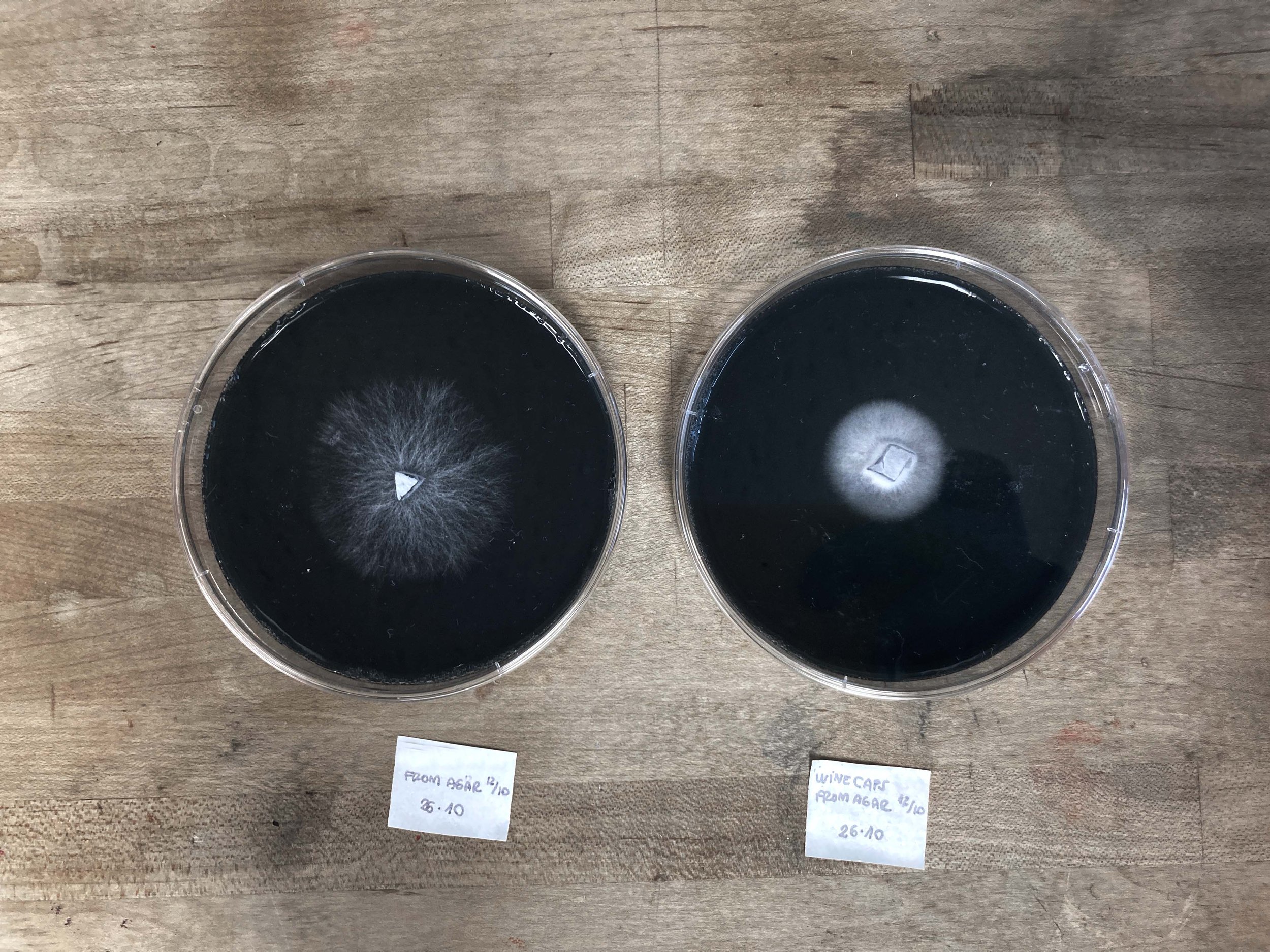
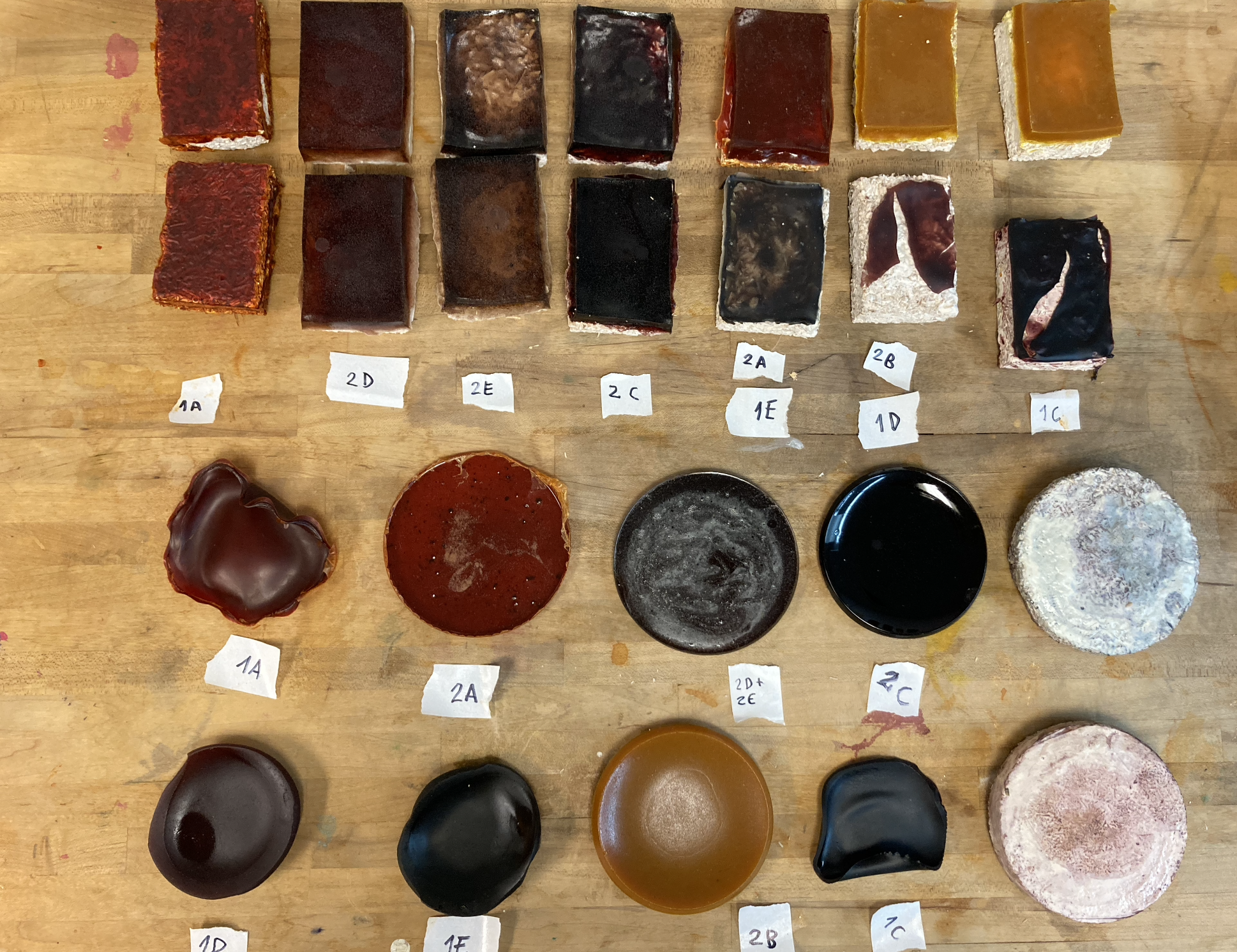
Within this space, I conducted research that pioneered the study of interspecies creativity (Correa, 2023). Using mixed methods, the project explored how students developed personal relationships with another living organism—particularly fungi—through creative engagement with the organism both in the lab and in a nearby park. Research at the lab also produced a new material that is still under development with the intention of pursuing a patent.
Although the physical space no longer exists, the lab continues to live on through new generations of graduate students at Columbia University who regularly reach out to me to expand this line of work through related research and creative projects.
In 2023, a second iteration of the lab was envisioned in Mapuche territory, at the Universidad Católica campus in Villarrica, Chile, in collaboration with professor Martín Bescopé. Although we are still working to secure funding for the project, the vision remains very much alive, as does the desire to develop new Creative Ecologies Labs in different regions of the world.
The Creative Ecologies Lab is informed by constructionist pedagogies (Papert, 1980) and developed in collaboration with fellow graduate students at Columbia University as well as professors Nathan Holbert and Paulo Blikstein, leading scholars in maker education who are actively expanding the boundaries of the field toward the life sciences as a space for critical engagement with environmental issues.
The Creative Ecologies Lab ultimately serves as both a research platform and a creative environment, where experimentation with living systems opens new possibilities for learning, design, and ecological imagination.